


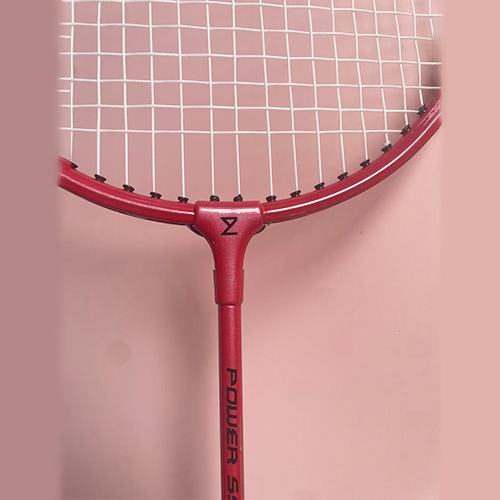
Công nghệ dây là một trong những yếu tố quan trọng nhất định hình nên xã hội hiện đại. hiệu suất vợtDù là quần vợt, cầu lông, bóng quần hay bóng vợt, mặt lưới vợt ảnh hưởng đến sức mạnh, khả năng kiểm soát, độ xoáy, sự thoải mái, độ bền và cảm giác tổng thể nhiều hơn nhiều người chơi nhận ra. Mặc dù thiết kế khung vợt, kích thước tay cầm và hình dạng đầu vợt đều quan trọng, nhưng dây vợt thường quyết định cách vợt hoạt động khi tiếp xúc và cách bóng hoặc cầu lông phản ứng sau khi tiếp xúc.
Đối với người chơi, huấn luyện viên, nhà bán lẻ và nhà xuất bản nội dung thể thao, việc hiểu biết là rất quan trọng. Công nghệ dây vợt thay đổi hiệu suất vợt như thế nào? Điều này rất cần thiết. Nó giúp giải thích tại sao hai cây vợt có khung tương tự lại có thể cho cảm giác chơi rất khác nhau, tại sao việc lựa chọn dây vợt có thể cải thiện độ ổn định và tại sao thông số kỹ thuật của dây vợt nên được đưa vào mọi trang sản phẩm hoặc danh mục. Bài viết này cung cấp một cái nhìn tổng quan rõ ràng, thân thiện với SEO và mang tính chung ngành về công nghệ dây vợt hiện đại, lợi ích của nó, thông số kỹ thuật và cách các cấu trúc dây khác nhau ảnh hưởng đến hiệu suất.
Công nghệ dây Thuật ngữ này đề cập đến các vật liệu, phương pháp chế tạo, lớp phủ, độ dày, độ căng và thiết kế bề mặt được sử dụng trong dây vợt. Những yếu tố này ảnh hưởng đến cách mặt lưới vợt giãn ra, đàn hồi trở lại, giữ độ căng, truyền năng lượng và tương tác với Quả cầu lông.
Trên thực tế, công nghệ dây đang thay đổi:
Vì dây vợt là bộ phận duy nhất tiếp xúc trực tiếp với bóng hoặc cầu lông, chúng đóng vai trò then chốt trong việc quyết định hiệu suất thi đấu. Ngay cả những thay đổi nhỏ về chất liệu dây hoặc độ căng cũng có thể tạo ra sự khác biệt đáng kể trong lối chơi.
Hiệu năng của vợt không chỉ được quyết định bởi khung vợt. Khung vợt cung cấp cấu trúc, nhưng dây vợt mới tạo ra bề mặt tiếp xúc thực tế. Đó là lý do tại sao công nghệ dây vợt thường được mô tả là "động cơ" của độ nhạy vợt.
Dưới đây là những lý do chính khiến công nghệ chuỗi ký tự quan trọng:
Đối với nhiều người chơi, việc nâng cấp công nghệ dây vợt có thể mang lại sự cải thiện hiệu suất lớn hơn so với việc thay đổi vợt.
Dây vợt hiện đại được chế tạo với nhiều cấu trúc khác nhau, ảnh hưởng đến khả năng chơi. Lõi, lớp bọc ngoài, kết cấu bề mặt và lớp phủ đều định hình nên hiệu năng cuối cùng.
Lõi là thành phần cấu trúc chính của dây vợt. Nó thường quyết định độ đàn hồi, cảm giác và độ bền. Các cấu trúc lõi phổ biến bao gồm sợi đơn đặc, bó sợi đa, sợi bện hoặc cấu trúc lai.
Tác động đến hiệu suất:
Một số loại dây đàn sử dụng nhiều lớp hoặc sợi quấn để điều chỉnh cảm giác và đặc tính chơi. Các lớp này có thể cải thiện độ đàn hồi, tạo thêm độ nhám hoặc tăng khả năng chống mài mòn.
Tác động đến hiệu suất:
Bề mặt dây vợt ảnh hưởng đến cách vợt giữ bóng hoặc cầu lông. Bề mặt nhẵn thường giúp bóng nhanh chóng bật ra, trong khi bề mặt nhám có thể làm tăng ma sát và tạo độ xoáy.
Tác động đến hiệu suất:
Các lớp phủ được áp dụng để cải thiện khả năng chống mài mòn, độ ẩm hoặc sự xuống cấp do lực căng. Chúng cũng có thể ảnh hưởng đến cảm giác tiếp xúc và độ trơn tru của mặt vợt.
Tác động đến hiệu suất:
Chất liệu dây vợt là một trong những yếu tố quan trọng nhất ảnh hưởng đến hiệu suất của vợt. Các chất liệu khác nhau phù hợp với các môn thể thao, phong cách chơi và mức ngân sách khác nhau.
| Chất liệu dây | Cảm giác điển hình | Lợi thế về hiệu suất | Sự đánh đổi chính | Tốt nhất cho |
|---|---|---|---|---|
| Đường ruột tự nhiên | Mềm mại, có độ đàn hồi cao | Độ thoải mái, sức mạnh và khả năng giữ độ căng tuyệt vời | Chi phí cao hơn, khả năng chống ẩm thấp hơn | Người chơi tìm kiếm cảm giác và độ nhạy cao cấp |
| Đa sợi | Mềm mại và nhạy bén | Thoải mái khi sử dụng và dễ dàng vận hành. | Kém bền hơn so với các loại vật liệu tổng hợp cứng cáp. | Phù hợp cho người chơi nghiệp dư và trình độ trung cấp. |
| Sợi polyester đơn | Chắc và giòn | Khả năng kiểm soát, độ xoáy và độ bền tốt hơn | Ít thoải mái hơn và công suất hỗ trợ thấp hơn | Những người chơi tấn công từ vạch cuối sân hoặc những người chơi có cú đánh xoáy mạnh. |
| Ruột tổng hợp | Cân bằng và dễ tiếp cận | Hiệu năng đa dụng với chi phí thấp hơn | Độ bền và khả năng giữ độ căng ở mức trung bình | Sử dụng đa năng |
| Cấu hình dây lai | Tùy chỉnh | Kết hợp những ưu điểm của hai loại chuỗi | Cần thiết lập và tinh chỉnh phức tạp hơn. | Người chơi muốn hiệu suất được cá nhân hóa |
Mỗi loại dây vợt ảnh hưởng đến đặc tính của vợt theo những cách khác nhau. Dây mềm thường tăng sự thoải mái và lực đánh, trong khi dây cứng giúp cải thiện khả năng kiểm soát và độ chính xác. Sự lựa chọn lý tưởng phụ thuộc vào cách người chơi vung vợt, tần suất chơi và loại cú đánh mà họ ưa thích.
Độ dày dây Thuật ngữ này đề cập đến độ dày của dây vợt. Trong hầu hết các môn thể thao dùng vợt, dây mỏng mang lại trải nghiệm chơi khác so với dây dày.
| Loại thước đo | Độ dày xấp xỉ | Lợi ích về hiệu suất | Hạn chế có thể xảy ra |
|---|---|---|---|
| Độ dày | Khoảng 1,30 mm trở lên | Độ bền cao hơn, cảm giác chắc chắn hơn | Ít xoay hơn và độ nhạy cảm ứng thấp hơn một chút. |
| Độ dày trung bình | Khoảng 1,25–1,29 mm | Độ bền và khả năng chơi cân bằng | Có thể không tối ưu hóa cả sức mạnh lẫn tốc độ quay. |
| Độ dày mỏng | Khoảng 1,20–1,24 mm | Cảm giác tốt hơn, độ xoáy cao hơn và khả năng vào bóng tốt hơn. | Độ bền thấp hơn và hao mòn nhanh hơn |
| Độ dày siêu mỏng | Dưới 1,20 mm | Độ nhạy và cảm ứng tối đa | Tuổi thọ ngắn hơn và nguy cơ gãy vỡ cao hơn |
Dây đàn mỏng thường giúp cải thiện khả năng chơi và độ nhạy vì chúng dễ biến dạng hơn khi va chạm. Tuy nhiên, dây mỏng thường dễ đứt hơn và có thể mất độ căng nhanh hơn. Dây dày hơn được những người chơi thường xuyên ưa chuộng vì cần sự ổn định và độ bền cao.
Độ căng dây là một trong những yếu tố điều chỉnh quan trọng nhất ảnh hưởng đến hiệu suất vợt. Mức độ căng dây quyết định độ căng hay lỏng của mặt lưới, ảnh hưởng trực tiếp đến sức mạnh, khả năng kiểm soát và sự thoải mái khi chơi.
| Phạm vi lực căng | Cảm nhận chung | Hiệu ứng biểu diễn | Sử dụng thông thường |
|---|---|---|---|
| Điện áp thấp | Mềm mại, dễ tha thứ | Công suất mạnh hơn, vùng tối ưu rộng hơn. | Người chơi mới bắt đầu và người chơi ưu tiên sự thoải mái |
| Điện áp trung bình | Cân bằng | Sự kết hợp giữa sức mạnh và khả năng kiểm soát | Những cầu thủ toàn diện |
| Điện áp cao | Vững chắc, chính xác | Kiểm soát tốt hơn, hiệu ứng bật nảy ít hơn. | Người chơi trình độ cao và chú trọng kỹ thuật. |
Lực căng thấp hơn cho phép mặt lưới biến dạng sâu hơn và trả lại nhiều năng lượng hơn, giúp tạo ra lực đánh dễ dàng hơn. Lực căng cao hơn làm giảm sự dịch chuyển của dây và tạo ra phản hồi trực tiếp hơn, cải thiện khả năng kiểm soát hướng bóng. Lực căng tối ưu phụ thuộc vào sức mạnh của người chơi, tốc độ vung vợt và kiểu đánh mong muốn.
Sức mạnh là một trong những khía cạnh được thảo luận nhiều nhất về hiệu suất vợt. Công nghệ dây vợt góp phần tạo nên sức mạnh theo nhiều cách:
Nhìn chung, các bộ dây vợt thiên về sức mạnh thường mềm hơn, mỏng hơn và được căng với lực căng thấp hơn. Tuy nhiên, quá mềm có thể làm giảm độ chính xác khi điều khiển bóng. Người chơi muốn có cú đánh mạnh mẽ nên tìm kiếm sự kết hợp cân bằng giữa độ đàn hồi của dây và lực căng phù hợp.
Kiểm soát là khả năng đặt các cú đánh một cách chính xác và có thể dự đoán được. Mặt vợt tập trung vào kiểm soát giúp giảm độ nảy quá mức và giúp người chơi tự tin điều khiển bóng hoặc cầu lông.
Các yếu tố quan trọng giúp tăng cường khả năng kiểm soát bao gồm:
Những người chơi thiên về kiểm soát thường thích mặt vợt có độ cứng cao hơn vì nó mang lại phản hồi tức thì và ít đàn hồi hơn. Điều này có thể cải thiện độ ổn định của cú đánh, đặc biệt là trong những pha bóng nhanh, những pha phòng thủ chắc chắn và những cú đánh đặt bóng chính xác.
Khả năng tạo xoáy đã trở thành trọng tâm chính trong các môn thể thao dùng vợt hiện đại. Công nghệ dây vợt ảnh hưởng đến độ xoáy thông qua ma sát, chuyển động của dây và khả năng đàn hồi. Dây vợt bám bóng tốt và nhanh chóng trở lại vị trí ban đầu có thể tạo ra lực xoáy mạnh hơn.
Các yếu tố giúp cải thiện độ xoáy bao gồm:
Công nghệ dây vợt tạo độ xoáy tốt đặc biệt có giá trị đối với những người chơi dựa vào những cú đánh xoáy mạnh, cắt bóng, giao bóng xoáy hiểm hóc, hoặc những cú đánh góc khó đoán. Tuy nhiên, độ xoáy và độ bền thường mâu thuẫn với nhau: dây vợt tối đa hóa độ bám có thể bị mòn nhanh hơn.
Sự thoải mái là mối quan tâm hàng đầu đối với những người chơi thường xuyên bị mỏi tay, căng cổ tay hoặc nhạy cảm với rung động. Dây vợt mềm, đàn hồi và có khả năng giảm chấn tốt có thể giảm thiểu tác động khi va chạm và giúp người chơi cảm thấy dễ chịu hơn khi sử dụng vợt trong thời gian dài.
Các công nghệ dây đàn hướng đến sự thoải mái thường bao gồm:
Dây vợt cứng hơn có thể tăng độ chính xác, nhưng chúng cũng có thể truyền lực tác động mạnh hơn. Đối với những người chơi từng bị đau cánh tay, việc lựa chọn công nghệ dây vợt phù hợp thường quan trọng hơn việc chọn khung vợt cứng hơn.
Độ bền là yếu tố thiết yếu đối với người chơi thường xuyên và các môn thể thao cường độ cao. Dây vợt bị đứt quá nhanh hoặc mất độ đàn hồi quá sớm có thể làm tăng chi phí bảo trì và giảm sự tự tin.
Độ bền phụ thuộc vào:
Nhìn chung, dây vợt dày hơn và chất liệu cứng hơn sẽ bền hơn. Dây vợt polyester thường bền hơn so với các loại dây đa sợi mềm hơn, mặc dù cảm giác khi chơi có thể kém thoải mái hơn. Những người chơi đánh mạnh hoặc chơi thường xuyên thường ưu tiên độ bền bên cạnh hiệu suất.
| Kiểu chuỗi | Quyền lực | Điều khiển | Quay | An ủi | Độ bền |
|---|---|---|---|---|---|
| Đường ruột tự nhiên | Cao | Cao | Trung bình | Rất cao | Trung bình |
| Đa sợi | Cao | Trung bình | Trung bình | Cao | Trung bình đến thấp |
| Sợi polyester đơn | Trung bình đến thấp | Cao | Cao | Thấp đến trung bình | Cao |
| Ruột tổng hợp | Trung bình | Trung bình | Trung bình | Trung bình | Trung bình |
| Thiết lập lai | Phong tục | Phong tục | Phong tục | Phong tục | Phong tục |
So sánh này cho thấy không có công nghệ dây nào là tốt nhất trong mọi khía cạnh. Sự lựa chọn lý tưởng phụ thuộc vào việc người chơi coi trọng sự thoải mái, khả năng kiểm soát, sức mạnh hay độ bền hơn cả.
Cái điểm ngọt Đây là khu vực hiệu quả nhất trên mặt vợt để tạo tiếp xúc tốt và phản hồi tối ưu. Công nghệ dây vợt có thể làm cho điểm tiếp xúc lý tưởng (sweet spot) có cảm giác lớn hơn, nhỏ hơn, mềm hơn hoặc chính xác hơn.
Dây vợt có độ căng thấp và chất liệu đàn hồi thường tạo ra vùng tiếp xúc bóng tốt hơn. Dây vợt có độ căng cao và chất liệu cứng thường làm giảm vùng tiếp xúc bóng nhưng tăng độ chính xác khi đánh bóng. Điều này có nghĩa là người mới chơi thường được lợi từ thiết lập dây mềm hơn, trong khi người chơi chuyên nghiệp có thể thích dây căng hơn để kiểm soát chính xác hơn.
Dây căng hỗn hợp Vợt kết hợp hai loại dây khác nhau trong cùng một cây vợt, thường sử dụng một loại vật liệu cho dây dọc và một loại khác cho dây ngang. Điều này cho phép người chơi tùy chỉnh đặc tính hiệu năng một cách chính xác hơn.
Các mục tiêu kết hợp phổ biến bao gồm:
Các cấu hình lai rất hữu ích cho những người chơi muốn tinh chỉnh hiệu suất cụ thể thay vì một giải pháp "đa năng" duy nhất. Chúng cũng phổ biến trong các danh mục sản phẩm và nội dung giáo dục vì chúng minh họa cách công nghệ dây đàn có thể được thiết kế để đạt được các kết quả cụ thể.
Khi so sánh các loại dây vợt, cần xem xét một số thông số kỹ thuật. Những chi tiết này đặc biệt hữu ích cho việc tối ưu hóa SEO cho các trang sản phẩm, trang danh mục và tài liệu giáo dục.
| Thông số kỹ thuật | Sự miêu tả | Mức độ liên quan đến hiệu suất |
|---|---|---|
| Thành phần vật liệu | Xác định độ đàn hồi, độ cứng và độ bền. | Tạo nên sức mạnh, sự kiểm soát và sự thoải mái. |
| Độ dày đo | Được đo bằng milimét | Ảnh hưởng đến độ xoay, độ bền và cảm giác khi chơi. |
| Độ căng dây | Độ siết chặt của dây căng giường | Ảnh hưởng đến công suất và độ chính xác |
| Hồ sơ bề mặt | Bề mặt nhẵn, có hình dạng, có vân hoặc được phủ | Ảnh hưởng đến hành vi quay và ma sát |
| Giữ căng thẳng | Khả năng duy trì phong độ thi đấu theo thời gian. | Hỗ trợ tính nhất quán lâu dài |
| Mô đun đàn hồi | Độ cứng hoặc độ mềm dẻo | Liên quan đến sự thoải mái và phản hồi |
| Khả năng chống vỡ | Khả năng chống gãy vỡ dưới tải trọng | Điều quan trọng đối với những cầu thủ có tầm ảnh hưởng lớn. |
| Chất lượng lớp phủ | Lớp phủ bảo vệ trên bề mặt dây | Cải thiện độ bền và tính ổn định. |
| Mục tiêu của cầu thủ | Đặc điểm chuỗi ưa thích | Lợi ích điển hình |
|---|---|---|
| Nhiều sức mạnh hơn | Mềm mại, đàn hồi, độ căng thấp hơn | Độ sâu dễ dàng hơn và khả năng bật lại nhanh hơn |
| Kiểm soát tốt hơn | Cứng hơn, độ căng cao hơn | Độ chính xác hướng tốt hơn |
| Thêm một vòng xoay nữa | Mỏng, có vân, ma sát thấp | Khả năng bám và độ đàn hồi tốt hơn |
| Thoải mái hơn | Dây mềm đa sợi hoặc dây giống như ruột động vật | Giảm chấn và cải thiện cảm giác |
| Độ bền cao hơn | Dây cước đơn dày hơn hoặc dây cước gia cường | Độ bền và tuổi thọ dây đàn cao hơn |
| Lối chơi cân bằng toàn diện | Dây đai tổng hợp hoặc thiết lập lai | Hiệu suất đa năng |
Đối với các nhà xuất bản và chủ sở hữu trang web, công nghệ chuỗi ký tự là một chủ đề quan trọng cho tối ưu hóa công cụ tìm kiếm vì nó liên kết với các từ khóa có ý định tìm kiếm cao, chẳng hạn như... dây vợt, sức căng dây, dây vợt tốt nhất, màn trình diễn dây, dây điều khiển so với dây sức mạnh, Và dây vợt bền.
Để tối ưu hóa nội dung cho SEO, hãy sử dụng các biến thể từ khóa tự nhiên xuyên suốt trang, ví dụ như:
Cấu trúc SEO mạnh mẽ cũng giúp cải thiện thứ hạng. Điều đó bao gồm các tiêu đề rõ ràng, bảng so sánh, định nghĩa ngắn gọn và các phần nội dung trả lời các câu hỏi thường gặp của người dùng. Loại nội dung thông tin này có thể hỗ trợ các trang danh mục, bài đăng trên blog, hướng dẫn sản phẩm và các trung tâm kiến thức ngành.
Khi người dùng tìm hiểu về công nghệ chuỗi ký tự, họ thường so sánh một số yếu tố thực tiễn. Những yếu tố này có thể được đề cập trong nội dung bài đăng trên blog hoặc mô tả sản phẩm để tăng tính liên quan và khả năng hiển thị trên công cụ tìm kiếm.
Những yếu tố này giúp giải thích tại sao công nghệ dây vợt lại thay đổi hiệu suất vợt trong thực tế sử dụng. Cấu hình phù hợp nhất thường là cấu hình đáp ứng nhu cầu của người chơi hơn là cấu hình sử dụng vật liệu tiên tiến nhất.
Sự đổi mới trong công nghệ dây vợt tiếp tục cải thiện các môn thể thao dùng vợt bằng cách cung cấp nhiều lựa chọn hiệu năng chuyên biệt hơn. Đối với ngành công nghiệp này, điều đó tạo ra sự khác biệt tốt hơn, định vị sản phẩm rõ ràng hơn và nhiều cơ hội hơn về nội dung giáo dục.
Những lợi ích chính của ngành bao gồm:
Khi ngày càng nhiều người chơi hiểu rõ hơn về công nghệ dây, nhu cầu về nội dung giải thích các thông số kỹ thuật bằng ngôn ngữ đơn giản cũng tăng lên. Điều này làm cho các bài viết liên quan đến dây trở nên có giá trị đối với tìm kiếm tự nhiên, liên kết nội bộ và uy tín giáo dục.
Công nghệ dây vợt ảnh hưởng đến hiệu suất vợt bằng cách tác động đến lực đánh, khả năng kiểm soát, độ xoáy, sự thoải mái, độ bền và tính ổn định. Chất liệu dây, độ dày, độ căng, thiết kế bề mặt và lớp phủ đều định hình cách vợt phản ứng khi va chạm. Dây mềm hơn và độ căng thấp hơn thường tăng lực đánh và sự thoải mái, trong khi dây cứng hơn và độ căng cao hơn cải thiện khả năng kiểm soát và độ chính xác. Dây mỏng thường tăng cảm giác và độ xoáy, trong khi dây dày hơn cải thiện độ bền và độ ổn định.
Vì mặt lưới vợt là điểm tiếp xúc trực tiếp giữa vợt và cầu lông, việc lựa chọn dây vợt có ảnh hưởng trực tiếp đến kết quả trận đấu. Vì lý do này, công nghệ dây vợt luôn phải là một phần của bất kỳ cuộc thảo luận nghiêm túc nào về hiệu suất vợt. Cho dù được sử dụng trong bài viết blog, trang danh mục hay hướng dẫn ngành, chủ đề này đều mang lại giá trị SEO mạnh mẽ và tính ứng dụng thực tiễn cao cho nhiều đối tượng.
Tóm lại: Nếu bạn muốn hiểu về hiệu suất của vợt, hãy bắt đầu từ dây vợt. Công nghệ dây vợt không phải là chi tiết nhỏ; nó là một trong những yếu tố quan trọng nhất ảnh hưởng đến hiệu suất trong các môn thể thao dùng vợt hiện đại.
Trang web này sử dụng cookie để đảm bảo bạn có được trải nghiệm tốt nhất trên trang web của chúng tôi.


 English
 Español
 Pусский
 Français
 日本語
日本語 한국어
한국어 العربية
 हिन्दी
 中文
中文



 Điện thoại
Bình luận
(0)