


Every supplier presents well; the customers they served are the evidence that survives contact with reality. A structured reference call â ten minutes, the right questions, two callers per supplier â verifies more than any certificate. This guide gives badminton rackets buyers the script and the tells.
A reference check is not a formality; it is the only due diligence that samples the supplier's actual behaviour as experienced by people with no reason to flatter them. Ten well-chosen questions beat a factory tour conducted by the sales team.
As a manufacturer based in China, æå·ä¹æª¬è¿åºå£æéå ¬å¸ (www.factoryracket.com) supplies badminton rackets, shuttlecocks, tennis rackets and related products to customers in more than forty markets. In this guide we explain what actually determines quality in this category, how to assess a factory before you commit, and how to build a supply relationship that holds up over years of repeat ordering.
Before you send a request for quotation, be precise about what you are buying. These are the questions that separate a professional sourcing decision from a hopeful one.
What is the production capacity and current lead time? A factory that cannot state monthly capacity in units cannot forecast reliably.
Which quality standards apply, and can they evidence compliance? Ask for BWF Laws of Badminton, ISO 9001 documentation rather than a verbal claim.
Is material traceability documented? Certificates of material origin prevent costly surprises.
What is the defect rate and how are returns handled? Ask for historical data, not a policy statement.
Can they customize to your market's specification? Voltage, sizing, labelling and packaging often differ by country.
What after-sales support is included? Spare parts availability and technical support determine lifetime cost.
What is the total landed cost? Freight, duty and durability matter more than FOB price.
Quality in badminton and racket sports equipment is the sum of four things: material selection, manufacturing precision, assembly consistency, and testing discipline. A product can look identical to a competitor and behave completely differently after six months in service if any one of these is weaker.
Material grade: the raw material must match the specification, with certificates to prove it.
Manufacturing precision: tolerances must hold across the production run, not just the sample.
Assembly consistency: repeatable processes prevent batch-to-batch variation.
Testing discipline: functional and safety testing must be routine, not exceptional.
For buyers, the practical implication is that you should evaluate capability rather than appearance. A well-equipped factory with documented processes will out-perform a low-cost workshop every time, even if the sample products look the same.
We recommend auditing five dimensions before the first paid order.
Ask for facility size, equipment list, monthly output, and the number of production lines. A factory that can describe its bottleneck process understands its own capacity. Request photos or a live video walkthrough of the production floor.
Confirm certification such as BWF approval, ISO 9001:2015 and ask to see the internal inspection records. A genuine quality system produces documents: incoming material checks, in-process checks, and final inspection reports.
Understand where raw materials come from and how they are verified. Vertically integrated suppliers control more of the quality chain and are less exposed to sub-supplier problems.
Ask which tests are performed in-house and which are outsourced to third parties. For export markets, third-party test reports from recognised laboratories carry more weight than internal claims.
Evaluate responsiveness during the quotation stage â it is a good predictor of post-sale behaviour. Ask about spare parts availability, technical documentation, and warranty terms in writing.
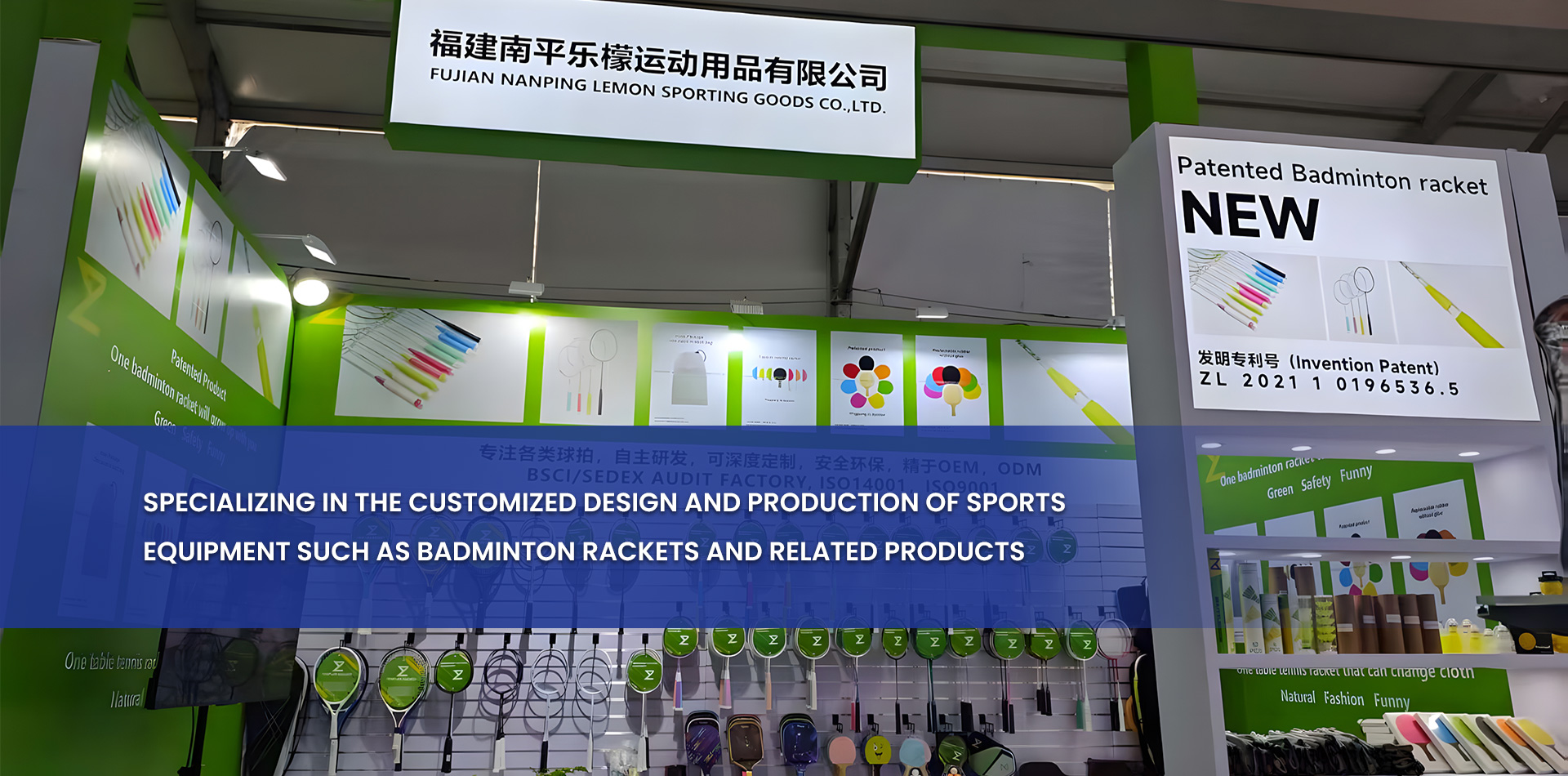
Most buyers eventually want their own branding, and the best time to discuss it is before the first order. Typical customization includes product sizing, colour, labelling, packaging, and documentation.
Product customization: dimensions, capacity, voltage and configuration tailored to your market.
Branding: logo marking, silk-screen printing, embossing or laser marking.
Packaging: neutral, retail-ready or private-label cartons with your barcode and compliance text.
Documentation: user manuals and compliance statements in your market's language.
Discuss minimum order quantities for customized runs early, because decoration and tooling often set a higher MOQ than the base product.
Unit price is only one part of the equation. The lowest quote frequently carries the highest total cost once durability, freight and returns are included.
| Cost Factor | What to Compare | Hidden Risk |
|---|---|---|
| Unit price | FOB per unit | Ignoring specification differences |
| Durability | Service life | Premature failure and warranty claims |
| Freight | Volumetric weight | Light but bulky shipments cost more |
| Duty and compliance | HS code and certification | Clearance delays |
| Returns | Defect rate | Reputational damage |
| Support | Spare parts and service | Downtime for your customer |
Build a landed-cost model and negotiate on the total. Suppliers respect buyers who understand their cost drivers because it signals a long-term relationship.
The best pricing and priority allocation go to buyers who order predictably. Share a rolling forecast, place consistent orders, and give clear feedback on quality. Factories reward reliable partners with better lead times and preferential treatment when capacity is tight.
It also helps to visit the factory when practical. A single visit reveals more about capability than months of email.

Not every supplier is the same kind of business. Understanding the model helps you choose the one that fits your needs.
| Supplier Type | Control Over Quality | Price Level | Best For | Main Risk |
|---|---|---|---|---|
| Direct factory | Highest | Competitive | Volume buyers | Higher MOQ |
| Trading company | Medium | Higher | Small or mixed orders | Less quality control |
| OEM/ODM partner | High | Competitive | Brand owners | Development time |
| Distributor | Low | Highest | Urgent small orders | Limited customization |
For most buyers building a brand or a stable catalogue, a direct factory with genuine customization capability offers the best balance of quality control, price and flexibility.
Depending on your destination market, several standards and certifications may apply to badminton and racket sports equipment. Confirming them early prevents costly compliance surprises.
BWF Laws of Badminton: confirm the factory can supply documentation for this standard where it applies to your market.
ISO 9001: confirm the factory can supply documentation for this standard where it applies to your market.
CE: confirm the factory can supply documentation for this standard where it applies to your market.
REACH: confirm the factory can supply documentation for this standard where it applies to your market.
BWF approval: request the certificate and verify its validity and scope.
ISO 9001:2015: request the certificate and verify its validity and scope.
CE: request the certificate and verify its validity and scope.
A structured process reduces risk far more than a clever negotiation.
Define your technical specification and target market requirements.
Shortlist three suppliers and request capability data and references.
Order paid samples and test them against your specification.
Audit the chosen factory against the five dimensions above.
Agree pricing, MOQ, packaging and lead times in writing.
Place a trial order and inspect the shipment on arrival.
Review performance with real customers before scaling.
Lock in capacity and lead times for the coming season.
Financial health questions asked directly get polished answers; the same questions asked operationally get facts. The translation table converts the obvious question into the one that actually reveals condition:
| The Obvious Question | The Revealing Version | What the Answer Tells You |
|---|---|---|
| 'Are you financially stable?' | 'What is your current payment cycle with your own material suppliers?' | Stretched supplier payments appear here months before they appear anywhere public |
| 'Do you have capacity?' | 'Which machines run two shifts, and what did you defer in the last equipment round?' | Deferred maintenance and single-shift dependence predict future misses |
| 'Will you hold our price?' | 'Which input has moved most this year, and how did you absorb it?' | Suppliers with a mechanism answer specifically; fragile ones answer generally |
| 'Is our order safe?' | 'What share of your output does your largest customer take?' | Concentration above ~40% means your allocation depends on their health |
| 'Who runs the quality team?' | 'How long has your QC manager been in post, and who reports to them?' | QC churn is the earliest visible symptom of a factory under pressure |
Fold these questions into ordinary calls rather than staging an interrogation â the answers are more honest when they arrive as conversation. Watch the trend, not the snapshot: a payment cycle lengthening across two quarters is a signal; one quarter of it is a month. And weight behaviour over words â a supplier who volunteers a price-adjustment mechanism is telling you their finances are managed, while one who resents the question may simply have never modelled their own exposure. Neither answer is disqualifying; both are information you cannot buy elsewhere.
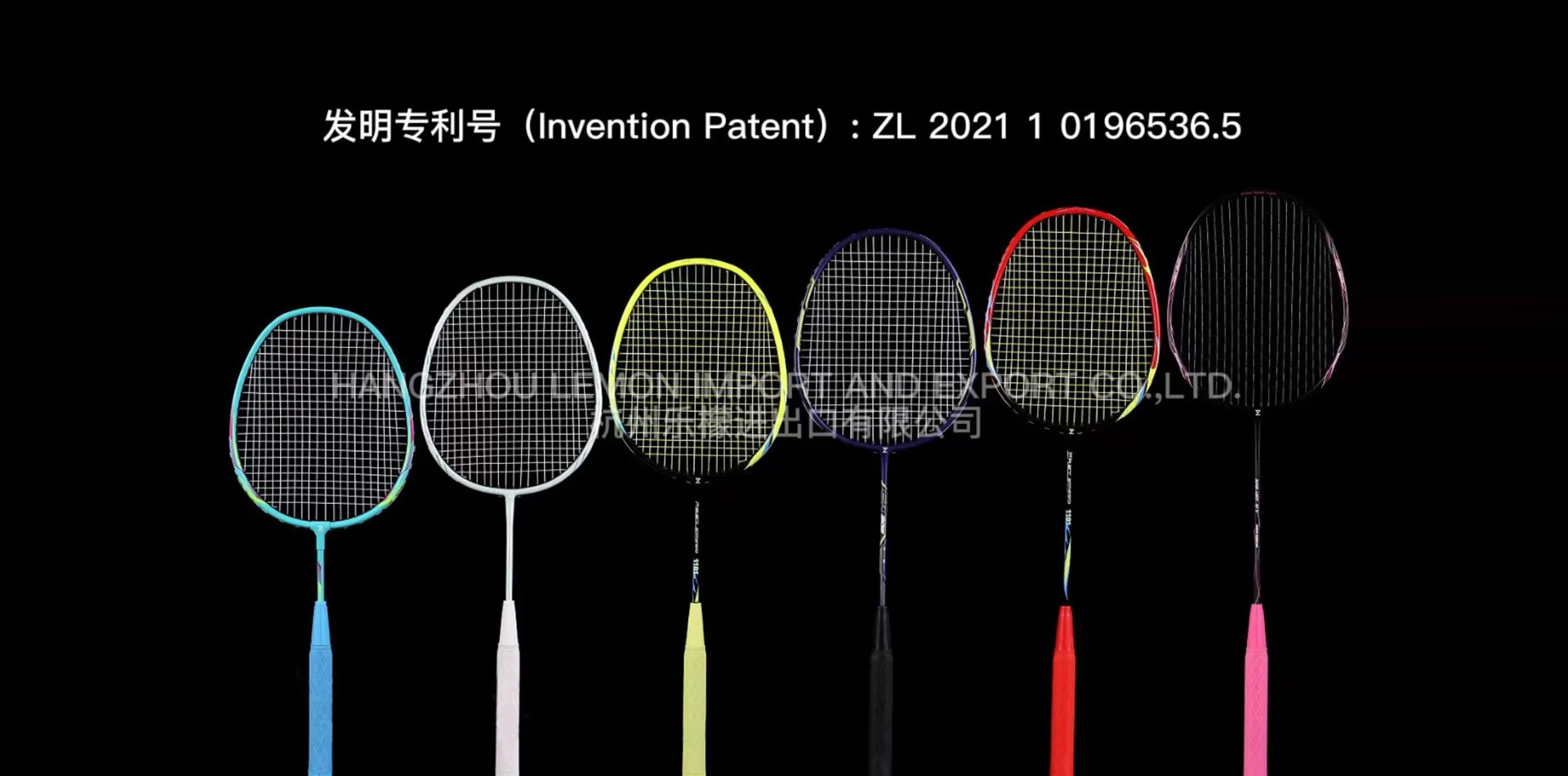
MOQ depends on the product and level of customization. Standard configurations typically start lower than private-label runs, which may require tooling or dedicated production. Ask the factory for a clear MOQ schedule by SKU.
A first order typically takes three to six weeks including sampling and approval, while repeat orders are usually shorter. Peak season can extend lead times, so plan ahead.
Order paid samples from at least two production batches, test them against your specification, and require a pre-shipment inspection before release. Documented inspection is more reliable than any sample alone.
Yes. Most manufacturers of badminton and racket sports equipment offer customization of size, colour, branding and packaging. Discuss the MOQ implications before committing.
At minimum, expect BWF approval, ISO 9001:2015, CE. The exact requirement depends on your destination market and the application.
Compare landed cost per unit of service life, not FOB price alone. Include freight, duty, defect rate and spare parts in the calculation.
A reliable manufacturer maintains a spare parts inventory and provides technical documentation and support. Confirm the terms in writing before ordering.
Begin with a trial order, measure performance honestly, and share feedback. Consistent ordering earns better pricing and priority.
Fraud in importing is rarely sophisticated; it survives on skipped verification. The check takes one hour at qualification and again at first order, and it answers three questions most buyers assume rather than confirm: who is the legal entity, does the bank account belong to them, and is the factory address the factory:
Entity check: business licence details against the name on the quotation â registered capital, scope and founding year are all public, and a young company quoting factory prices for old factory claims deserves a question.
Bank-account match: the account name must match the contract entity exactly, character for character â 'a subsidiary account, easier this way' is the single most common fraud vector and the easiest to catch.
Address reality: registered address, factory address and website address are often three different places; a mapping check plus one video walk-through sorts the trading offices from the production floors in minutes.
Signing authority: the person who signs should have the right to sign â a title on a business card is not authority, and the mismatch surfaces precisely when a dispute needs enforcing.
Repeat the check when anything structural changes: a new bank account, a new signing contact, a 'sister factory' quietly introduced. Legitimate suppliers expect the discipline â the ones who resist it have answered the question themselves. The hour spent verifying costs nothing; the alternative funds a scam whose refund conversation happens in a jurisdiction you did not choose.
Ask the supplier for two customer references in your market and one in an adjacent one; any supplier of standing can produce them, and hesitation is itself data. The call works best when it is short, specific and slightly sideways â the direct questions get rehearsed answers, while these get real ones:
'How long have you ordered from them, and how often?' â establishes that the reference is a customer, not a colleague with an email address.
'What went wrong on your worst shipment, and how was it handled?' â the recovery story tells you more than any success story; deflection here predicts deflection in your claims.
'What did you renegotiate after the first year?' â exposes the terms that looked fine at quotation and failed in use.
'Who actually answers when something breaks?' â names and channels, not departments.
'Would you give them a new product line today?' â the willingness to recommit is the most honest scorecard a reference can offer.
Cross-check two references per supplier and look for the overlap: details that agree across independent callers are probably true. Thank the reference and offer reciprocity â the reference network works because buyers trade honesty, and your two minutes of candour next time funds your ten minutes of verification now.

Financial distress telegraphs itself in behaviour long before it reaches a credit report, and the telegraph runs through ordinary channels. The signals worth tracking: payment requests arriving earlier or more often than the agreed rhythm; quotes valid for ever-shorter windows; a key account manager replaced twice in a year; sample and small orders suddenly courted with unusual warmth while your main orders lose priority; maintenance-sounding gaps in production updates; and quotations that start including unusual prepayment structures. None of these is conclusive alone â collectively they are a weather system. The response is proportional: tighten inspection on the next shipment, shorten open exposure, and hold a candid conversation. Suppliers in managed difficulty answer the conversation with plans; suppliers in unmanaged difficulty answer with reassurance. Either way you now know more than the average customer, which in a failure month is the difference between a container delayed and a deposit lost.
Most buyers renegotiate in moments of pressure and inherit whatever the moment allows; the mature programmes run one structured price review a year, and the structure does the work. The agenda that produces agreement instead of positioning:
The year in numbers first: volumes ordered, on-time-in-full, quality cost, changes in input prices â both sides look at the same page before either states a position.
Cost decomposition: the supplier presents material, labour, energy and margin movement with evidence; unverifiable components are negotiated as unverifiable, which changes their weight.
Index anchoring: where a commodity moves the price, name the index and the mechanism now, so next year's review starts from arithmetic instead of rhetoric.
Trade rather than squeeze: volume commitments, forecast quality, payment terms and forecast accuracy are all currency â the buyer holding these trades from strength.
Write the band: the agreed price, the adjustment mechanism, and the review date for next year, signed before anyone leaves the room.
The review's quiet product is predictability: a supplier who knows when price is discussed stops discussing it in between, and a buyer who anchors to indices stops auditing every increase by mood. Book next year's review before closing this year's â the meeting that has a date is the meeting that decides; the one without one becomes a correspondence.
Warranty terms are tested by the claim process, and most claims fail on process rather than substance. The claim that settles quickly has a fixed anatomy: photographs taken before anything is repaired or discarded, batch and shipment identifiers traceable to the delivery, the defect counted against the lot size (a rate, not an anecdote), and the claim filed inside the contractual window with the expected remedy stated â repair, replacement, credit, or return. Suppliers mirror the discipline they receive: a buyer whose claims arrive complete and rateable gets an engineering response; a buyer whose claims arrive as outrage gets a commercial one. Track the claim ledger quarterly â claim rate per supplier, average resolution days, recovery rate â and feed it into the scorecard. The ledger does two jobs: it prices quality as a running number instead of a mood, and it tells you which 'warranty' is real. A supplier whose claims resolve in ten days with full recovery has given you a warranty; a supplier whose claims resolve in ninety days at partial recovery has given you a negotiation.
Negotiation power is mostly information, and the category-level version is a running answer to one question: what should a properly made {p0} cost this quarter? The habit takes an hour a month and combines four cheap inputs: spot prices for the dominant raw materials, freight-rate indices on your lanes, a periodic anonymous RFQ to the market (one per year is enough, and it recalibrates everything), and the quotation archive you already own, re-read as a time series. Plot the result as a band and mark your actual purchase prices on it. Prices drifting below the band invite scrutiny of the specification's silent erosion; prices drifting above it invite the annual review forward. The habit also dates your negotiating positions: a buyer who quotes last year's material index in this year's meeting loses the room, while the buyer who arrives with the current curve sets it. Intelligence is not espionage â it is the same arithmetic the supplier's own pricing desk runs, done on your side of the table.

You can ask; the useful question is what the competing quote contains. Put the two quotations side by side on specification revision, inspection scope, packaging, payment terms and validity â the gap usually closes itself in the comparison, because one of them is not pricing the same product. If a genuine gap remains, present it as a fact and invite a response, not as an ultimatum. Suppliers match prices they understand and resent prices that feel like ambush; the comparison table is the difference.
Thirty percent is customary for custom production, and it buys materials and a slot â reasonable. Resist deposits that rise with your dependence rather than with the supplier's cost: a request to move from 30% to 50% should come with a reason, and the reason should be auditable (raw material purchase, capacity reservation), not a mood. For standard catalogue goods, deposits are a financing choice dressed as a requirement; trade them against price or payment terms. Whatever you agree, state what the deposit purchases â a deposit with a definition is a commitment, and one without is just exposure.
Split at the order date: orders confirmed before the event complete at agreed prices, orders after carry the movement, and orders in production share it or get a schedule adjustment. This is the convention most suppliers accept because it is predictable, and predictability is the asset you are protecting. The alternative â retroactive repricing of confirmed orders â costs more in trust than the increase costs in cash, and the trust is the thing your whole programme runs on.
Do both, in structure: consolidate by product family so the volume earns real pricing, and keep the second source alive with a small permanent share per the published split. The mistake is binary thinking â 'all in' for price or 'spread thin' for safety. Family-level consolidation captures most of the volume discount; the permanent minority share captures most of the risk protection; the combination costs a little administration and saves a great many emergencies.
Not on unit price first. Normalise both quotations to the same specification revision, the same inspection and packaging scope, the same Incoterm and the same payment term â then compare, and add the switching-cost line (samples, tooling, first-article approval, your own hours) before concluding. The comparison usually shows a narrower gap than the raw quote suggested, which is itself the finding: differences that survive normalisation are real, and the ones that don't were never prices â they were scopes.
Programmes plan onboarding carefully and exit badly, which is odd, because the exit determines what survives. The exit file is assembled quietly over the relationship's life, not at its end: the current specification and its history, the golden-sample register, tooling ownership papers and access rights, the spares and documentation inventory, the open-claims ledger, and the priced alternative-source status â how far the qualified second could step in, and in what weeks. Its purpose is not pessimism but optionality: a buyer who can leave a supplier in eight documented weeks negotiates every year's terms very differently from one who cannot. The file also disciplines the relationship in ordinary times, because both parties know the dependence is measured. Update it at each annual review â twenty minutes â and the day a change becomes necessary, the exit becomes a project with a schedule instead of a crisis with a spreadsheet. Independence is not hostility; it is the condition under which the relationship stays honest.
If you are sourcing badminton and racket sports equipment for distribution, OEM production or a project, æå·ä¹æª¬è¿åºå£æéå ¬å¸ (www.factoryracket.com) would be glad to share our experience and provide samples. Visit www.factoryracket.com to explore the catalogue, request a quotation, and discuss customization for your market.
Trang web này sử dụng cookie để đảm bảo bạn có được trải nghiệm tốt nhất trên trang web của chúng tôi.


 English
 Español
 Pусский
 Français
 日本語
日本語 한국어
한국어 العربية
 हिन्दी
 中文
中文



 Điện thoại
Bình luận
(0)